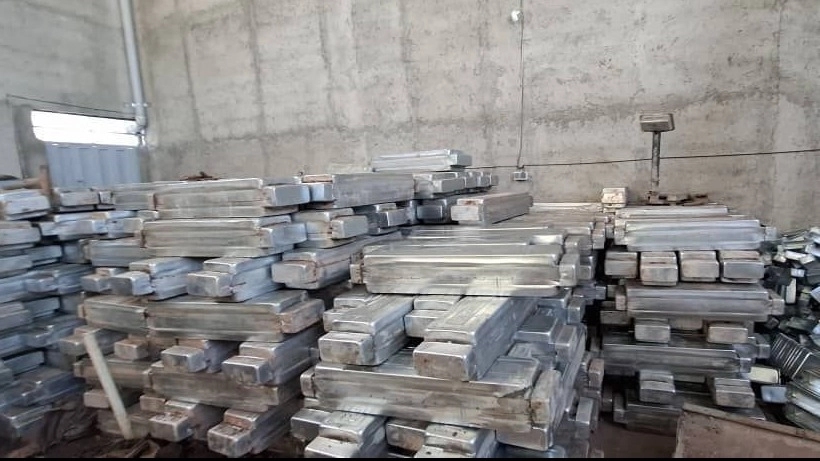
The balance weight is used to balance the elevator cabin and reduce the pressure of static loads on the motor. This weight is connected to the cabin through towing wires and moves vertically in the elevator shaft. In fact, the counterweight is hung in the elevator shaft by steel chains or steel ropes, just like the elevator cabin. In determining the number and type of wire ropes required for the balance weight, several factors such as conversion ratio, nominal capacity, mass of the elevator cabin and mass of steel ropes must be taken into consideration.
Using the balance weight in the elevator
Reciprocal movement for dynamic balance
Reducing the force on the engine
Increasing the safety of the elevator system
Maintaining weight balance
Reduce vibration and noise
Providing frictional force for the movement of tow wires
Cabin safety in emergency situations
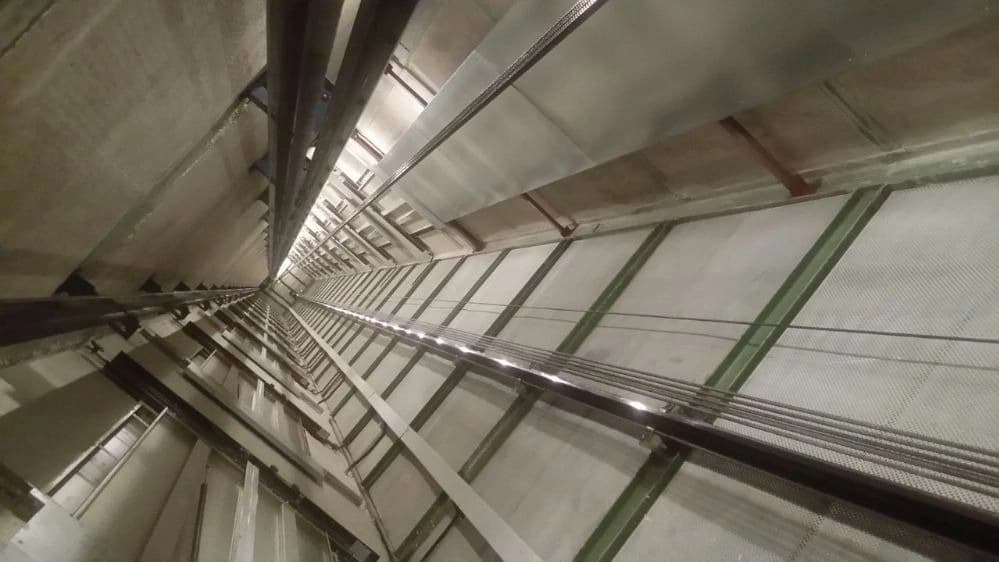
The impact of density on the use of balance weight
Concrete weight: low density, use in various dimensions and with different coatings.
Lead weight: high density, suitable for small spaces that require heavy weight.
Metal weight: the use of several metal weights in a steel frame, suitable for standard needs and different dimensions.
Cast iron weight: narrow and heavy, suitable for small wells and high capacity.
Galvanized weight: replacement of plastic weight, with galvanized coating for more safety.
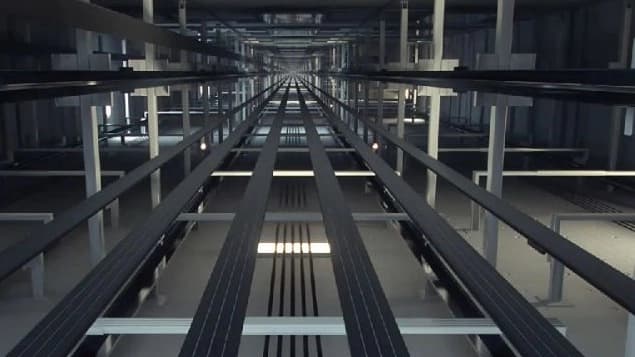
Dimensions of balance weights are customized and predetermined. If you want to order the weight based on the special sizes and application of the balance weight you want, you should use lead and cast iron weights. To calculate the balance weights, you should add the mass of the empty cabin and its equipment to 40-50% of the nominal capacity of the cabin and add it to the mass of the cable travel. Normally, each counterweight weighs about 35 kg, and the number of weights is determined based on the capacity and weight of the elevator cabin. Finally, do not forget that the choice of the type and number of balance weights depends on factors such as the capacity of the elevator, the available space, and the specific needs of the project.
Balance Weight Features
The applications of the balance weight are greatly influenced by its characteristics. For this reason, the construction and installation of the elevator counterweight requires precision and compliance with important technical points.
Sex and Coating Weights:
Balance weights are either made of heavy materials such as concrete or cast iron to provide sufficient weight for balance, or coated with a galvanized coating to protect against rust and environmental damage.
Dimensions and Space Required:
The space required to install the balance weight in the elevator shaft is about 30 cm, which includes a 7 cm distance between the wall and the balance weight and a 10 cm distance between the weight frame and the cabin.
Resistance to burnout:
Balance weights do not wear out due to their materials and are not affected by environmental conditions such as humidity, temperature changes and corrosion. This issue has led the balance weight to be widely used.
The use of balance weights in the elevator system
The balance weight is widely used due to its performance in maintaining the balance and efficiency of the elevator system.
Cross -moving for dynamic balance
When the elevator car moves up, the balance weight moves down and vice versa. This reciprocal movement causes the forces on the elevator system to be balanced. This dynamic balance and mutual function reduces the force required to move the cabin and improve the efficiency of the system.
Reduced force on the engine
Due to the balance weight, less force is applied to the engine. The elevator motor needs to exert less force to move the car, because part of the car's weight is neutralized by the counterweight. This reduction in power leads to a reduction in energy consumption and an increase in engine life.
Increase the safety of the elevator system
The plates connected to the balance weight are equipped with various safety parts. These equipments prevent the towing wires from leaving the groove of the grooves and also limit the entry of various objects into the groove of the grooves. These safety measures ensure that the operation of moving the wire ropes is carried out correctly and possible risks are reduced.
Maintain a weight balance
The balance weight has the task of neutralizing part of the weight of the cabin and the load inside it, which is one of the main uses of the balance weight. This neutralization of weight includes an average of 40 to 50 percent of the total weight of the cabin and its users. This weight balance reduces the pressure on the motor and other mechanical components of the elevator and provides more optimal performance.
Reduce tremor and noise
An elevator whose balance weight is installed correctly, in addition to maintaining balance, will have little vibration and noise during movement. This advantage is especially important in tall and high-traffic buildings.
Supply of frictional force to move towing wires
One of the other uses of the balance weight is to create tension between the tow wire and the elevator plates, which provides the frictional force necessary for the movement of the tow wire. This tension makes the tow wires move correctly and safely on the slabs and prevent the elevator cabin from sliding or moving unintentionally.
Cabin safety in emergency situations
When the balance weight is on the elevator buffers, the pulling force of the tow wire should be such that the cabin does not start moving in that direction if the engine moves up. This tension adjustment is critical to ensure the safety and proper operation of the system.